
Japan SDGs Innovation Challenge: UNDP–Japanese Private Sector Collaboration Enters a New Phase in its 5th Year
As SHIP’s founding partner, the United Nations Development Programme (UNDP) has established UNDP Accelerator Labs (Acc. Labs) in country offices since 2019. Working with governments and diverse local partners, the Labs map challenges, experiment with local solutions, and explore ways to scale impact, drawing on ideas from local communities. Today, 89 Acc. Labs operate across 113 countries, sharing insights and know-how through a global network.
Acc. Labs also actively collaborate with private sector partners. Since 2020, with funding from the Cabinet Office of Japan, Acc. Labs have implemented the Japan SDGs Innovation Challenge, a program in which Acc. Labs and Japanese companies co-develop and experiment with solutions leveraging Japanese technologies and expertise, while supporting the development of companies’ business models. SHIP supports the implementation of the program.
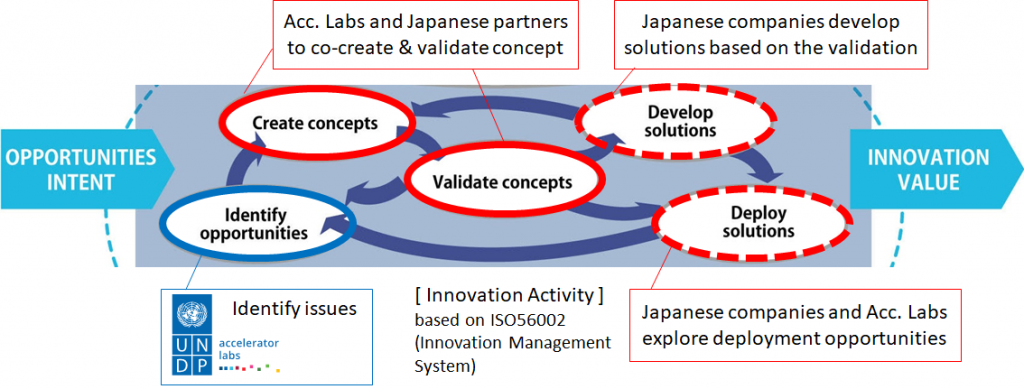
A key feature of the program is that it is implemented in line with the “innovation activity process” defined in ISO 56002 (Innovation Management System), published in 2019 (see figure below). Initially, the program focused on concept creation and concept validation, but as it has progressed, it has expanded to include solution development and solution implementation, moving closer to on-the-ground application.
Over the past five years since July 2020, the program has been implemented in 10 countries across Asia and Africa (see table below).
Projects under the Japan SDGs Innovation Challenge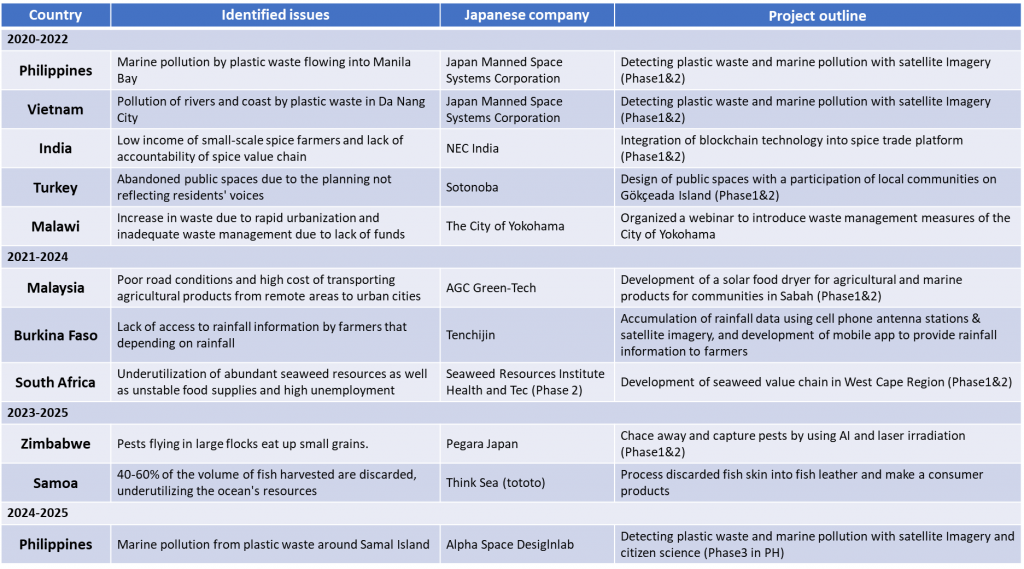
Learn more about projects in 2020-2022 here.
Learn more about projects in 2022-2023 here.
In the Zimbabwe project launched in January 2023, a solution leveraging Pegara Japan’s AI technology was developed to reduce damage caused by quelea birds, a major pest species that arrive in large flocks and devastate cereal crops. Locally, women and children often walk through fields banging cans to scare the birds away, a time-consuming practice that can also prevent children from attending school. In some cases, governments use pesticides to control the birds, raising concerns about potential impacts on human health.
To address this challenge, Pegara Japan developed and refined a technology that uses cameras and AI to analyze bird movements and automatically deploy drones that emit deterrent sounds to drive the birds away. Co-developed with UNDP, the solution goes beyond bird control by working with local communities—who have traditionally captured these birds with nets as a valuable source of protein—to build a value chain that includes bird capture and sale in local markets. To ensure the solution can be sustainably delivered through a viable business model, Pegara Japan has already begun hiring young local talent and is planning to establish a local company to scale the solution on the ground.
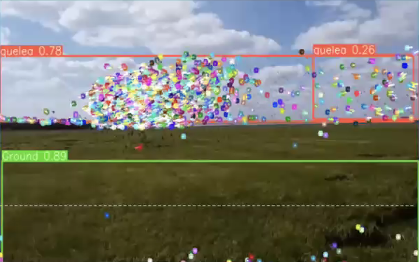
AI analysis of incoming quelea birds
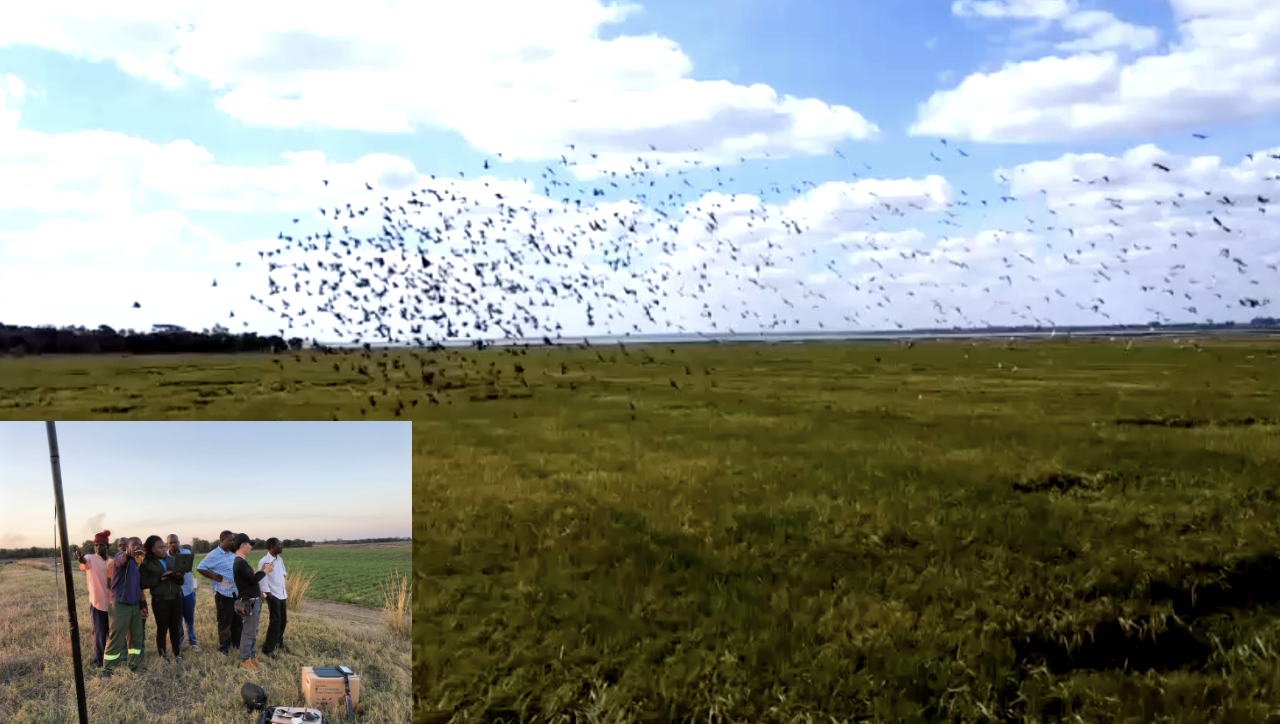
Local community members in Zimbabwe observing large flocks of quelea birds and drone operations
Source) Pegara Japan
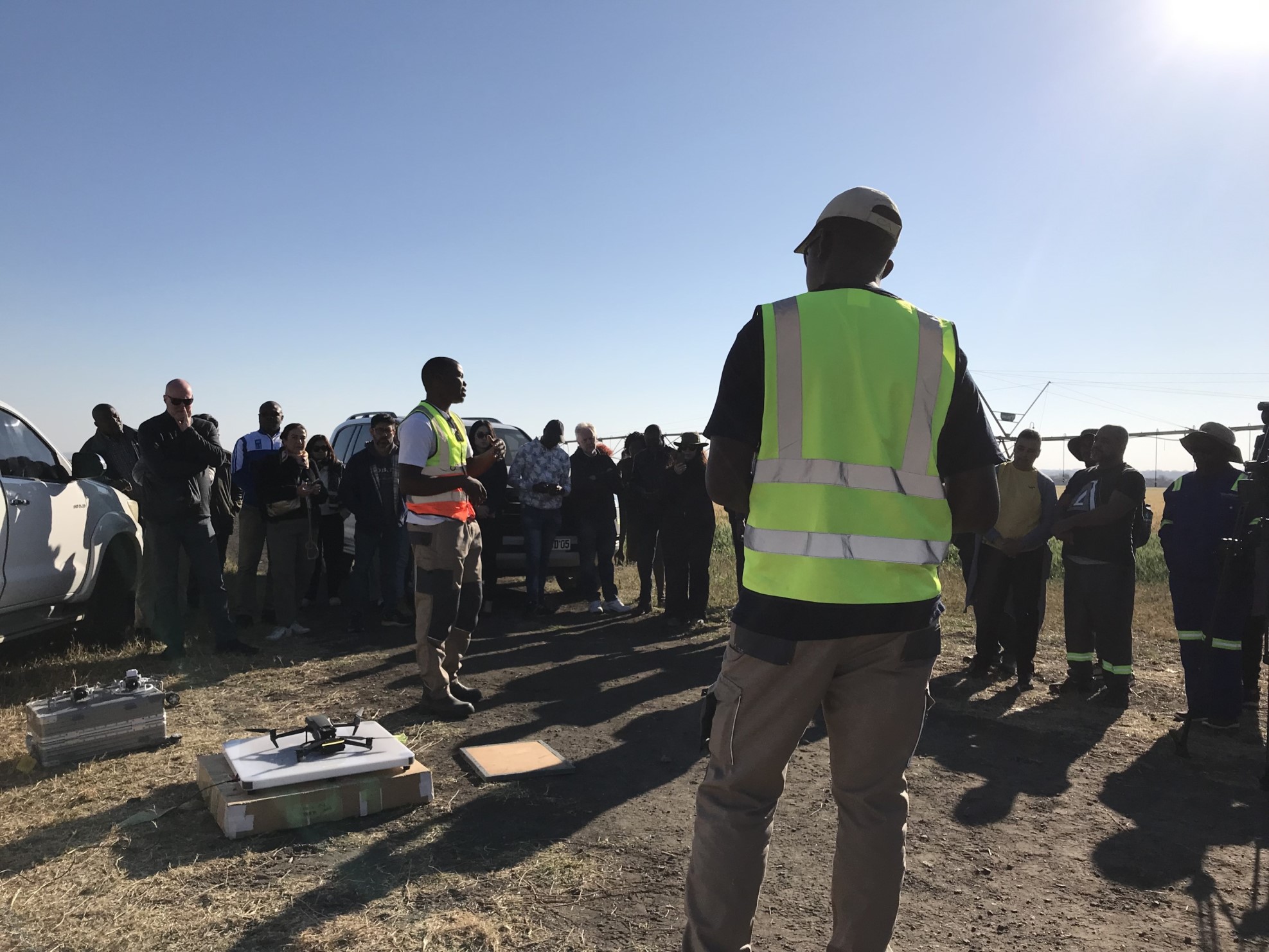
Pegara Japan staff in Zimbabwe demonstrating the solution to UNDP and local stakeholders (two wearing vests)
Source) UNDP
Acc. Lab video featuring the Zimbabwe project (5’38”)
In Samoa, a project with Think Sea (brand: tototo) began in February 2023 to make effective use of fish skins that are otherwise discarded. The project leverages Think Sea’s technology for tanning fish skins into fish leather and producing items such as wallets. The Think Sea team visited Samoa multiple times to assess the availability and condition of locally sourced fish skins and to share techniques for tanning fish leather and producing products such as accessories and bags with local communities.
Building on these efforts, the project aims to establish a community-based production system in Samoa and sell the products as souvenirs to tourists.
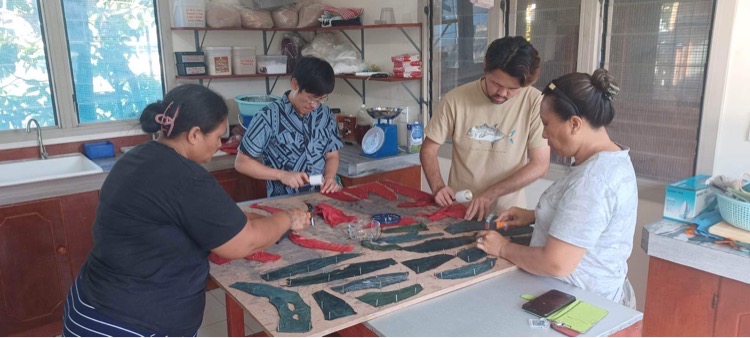
Think Sea team (center) training local communities in fish skin tanning techniques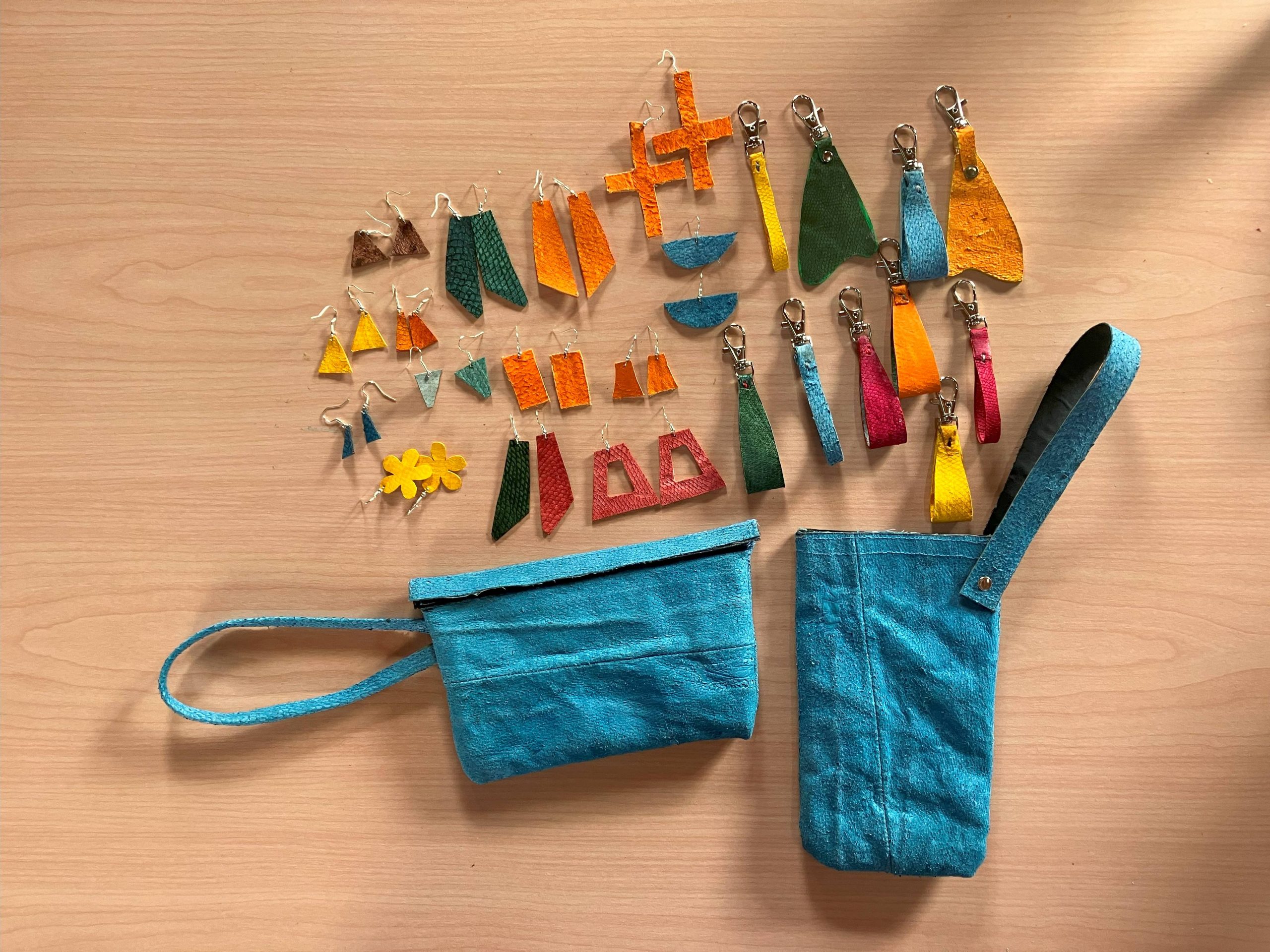
Accessories and bags made from fish leather by local communities
Source) Think Sea
Online article by Acc. Lab Samoa (published April 27, 2023)
NHK World FRONTRUNNERS feature on Think Sea (March 19, 2025)
* Samoa project is featured from 17:25 to 19:42
In August 2024, building on the results of a two-year project launched in 2020 that developed a satellite imagery–based model to detect plastic waste accumulation hotspots in rivers across Metro Manila, including the Pasig River, Alpha Space Designlab developed a model to detect plastic waste accumulation around Samal Island near Davao City and analyze where the waste originates.
Samal Island, whose economy depends on tourism, has faced challenges from marine pollution caused by large amounts of plastic waste flowing in from nearby cities and rivers, threatening the local tourism industry. The analysis results on plastic waste accumulation are available at any time through an online dashboard and are used to support policy planning by local government officials.
Beyond detecting plastic waste, the solution can also identify water turbidity, algal blooms, and coral reef degradation, and is expected to have broader applications in environmental conservation in the future.
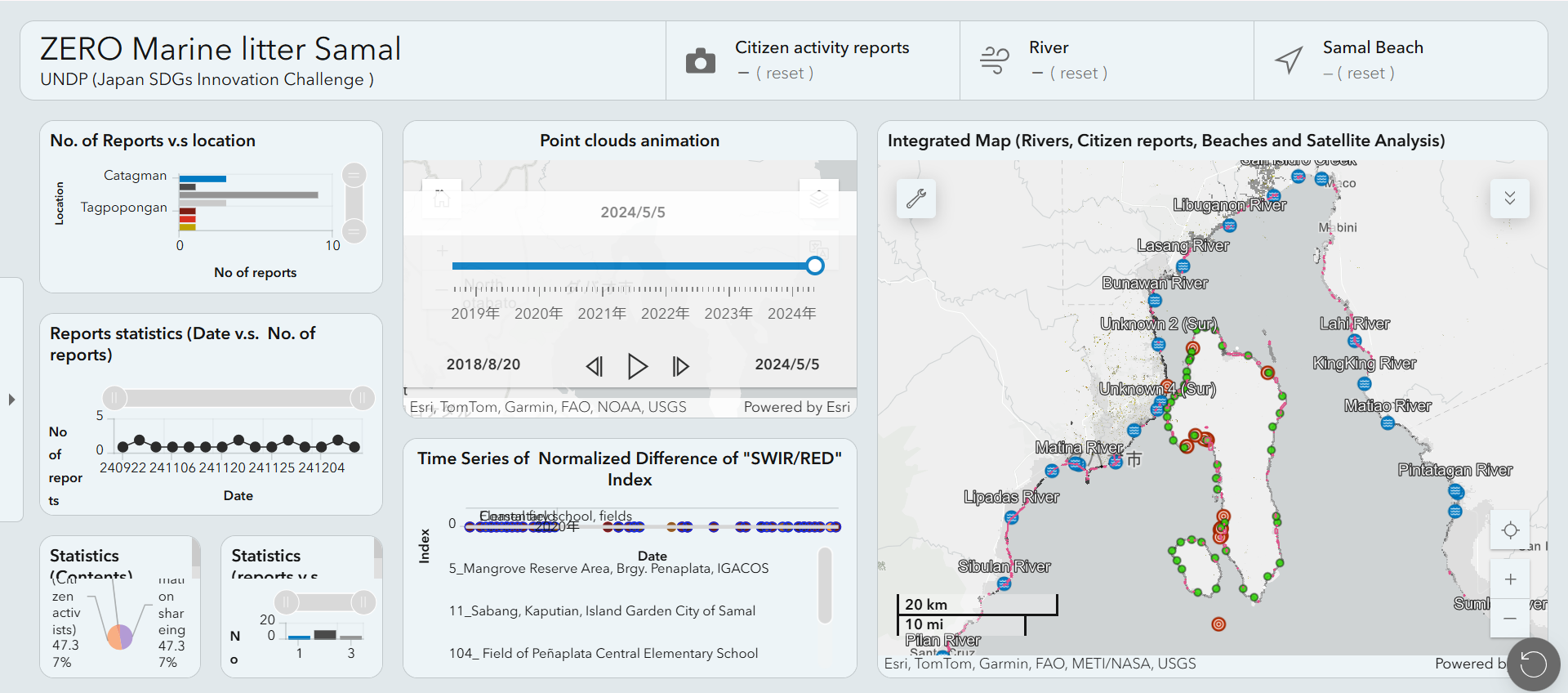
Dashboard displaying analysis results of plastic waste accumulation around Samal Island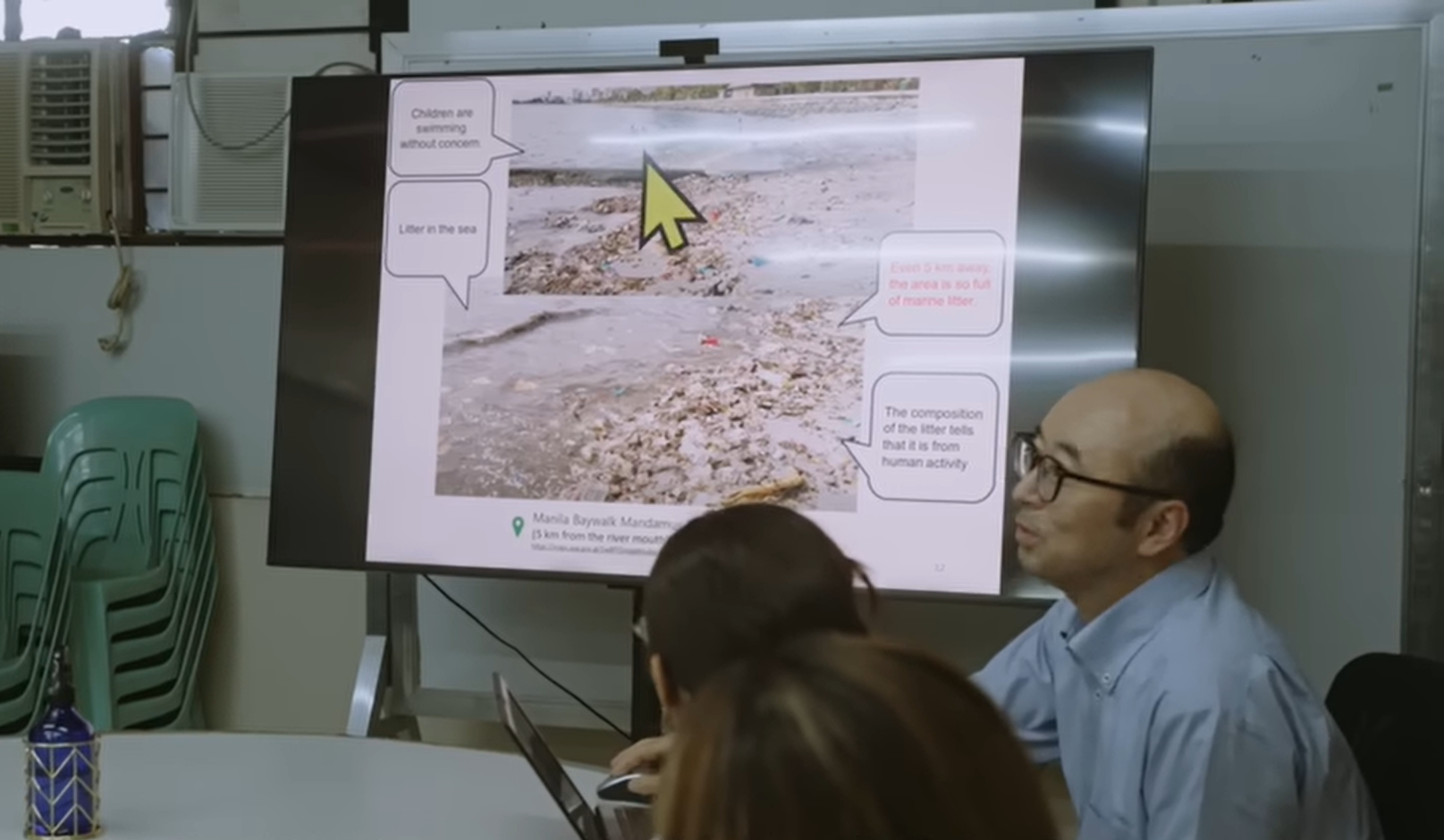
Mr. Ito of Alpha Space Designlab explaining plastic waste accumulation analysis results to local government officials
Source) Alpha Space Designlab
Acc. Lab video featuring the Philippines project (3’27”)
Online article by Acc. Lab Philippines (published June 25, 2025)
Since its launch in 2020, the Japan SDGs Innovation Challenge has entered a new phase in its fifth year, shifting its focus to sharing solutions and know-how generated through past projects across the Acc. Lab global network and scaling them to other countries.
From June to September 2024, R&D workshops were held in Kenya, Bhutan, Zimbabwe, and the Philippines, bringing together Acc. Lab members from around the world. Five Japanese companies that had participated in past Japan SDGs Innovation Challenge projects presented their technologies, know-how, and project results, and engaged directly with country teams to explore opportunities for expanding their solutions to other countries.
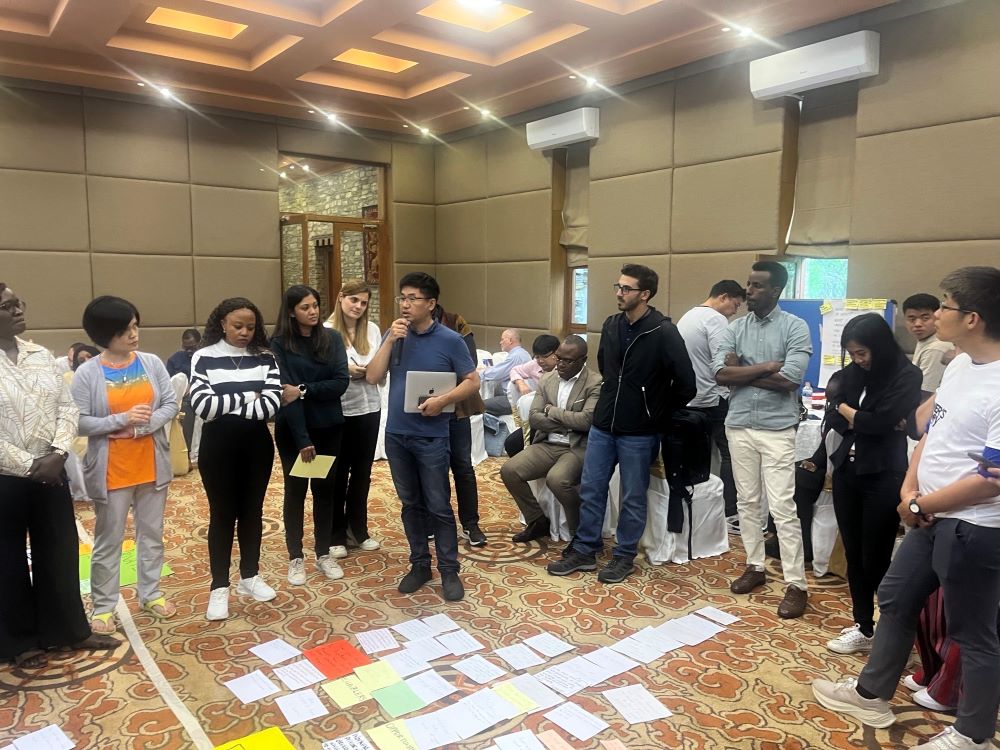
Mr. Ichihara of Pegara Japan speaking about experiences in Zimbabwe during the workshop in Bhutan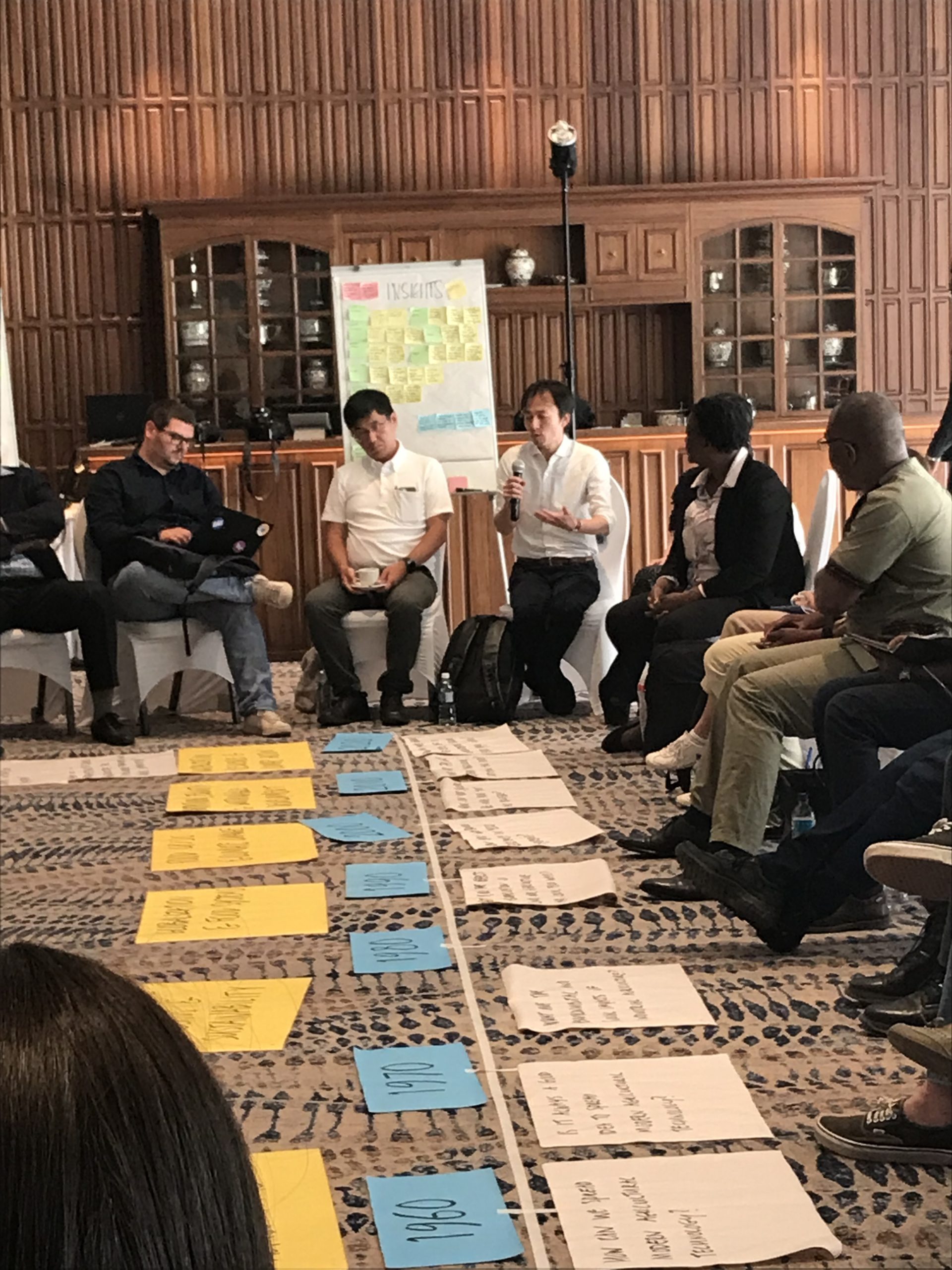
Mr. Urabe of Tenchijin speaking about experiences in Burkina Faso during the workshop in Zimbabwe
Building on these results, in the fifth year of the Japan SDGs Innovation Challenge, starting in fall 2025, the program plans to scale solutions generated from past projects to other countries.
Creating solutions to address development challenges together with local communities and turning them into sustainable businesses for Japanese companies is a long-term process, but the Japan SDGs Innovation Challenge is steadily making progress toward that goal.
Visit the UNDP Accelerator Labs Japan SDGs Innovation Challenge page here.
Share this article